Showing posts with label bollywood. Show all posts

Tuesday, May 4, 2010

A light in that darkened cinema...

“Paint a stone red and it becomes a god… But never solve your problems yourself. Pray five times a day, ring a bell in a temple and leave everything to God—we want to do nothing ourselves.”

-Abhishek Bachchan in “Delhi 6”


Fig1. If you watch one nontraditional Bollywood movie, watch this one

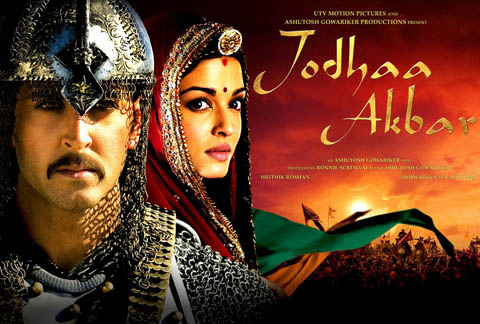
Ashutosh Gowariker’s sweeping historical epic Jodhaa Akbar dramatizes the true story of the Mughal Empire in the 16th century—a period when Islam was spreading well into South Asia under the rule of the Emperor Akbar (“great” in Arabic). The Emperor marries a beautiful and fiery Indian princess in order to quell the belligerance of the Rajput people and cement his role as the ruler of Northern India. One of the central tensions of the film is fueled by the fact that Akbar, a Muslim, and Jodhaa, a Hindu, fall in love despite their traditional differences. Their mutual respect for one another’s faiths and values leads to Akbar’s reputation for generosity and religious tolerance during his rule.

The 2008 film Thoda Pyaar, Thoda Magic is an almost Disney-style family film about an angel who gets sent by God to earth to watch over a family of orphaned children. The main characters, four children of varying ages, are visiting Los Angeles with their new foster father. When a tragedy befalls them, they turn to the most available “temple” in town: a Christian church. When they enter to pray for help, one child wonders if it’s okay to pray there, since they are Hindus. Another child offhandedly remarks that whether it’s Jesus, Vishnu, Ganesha—it’s all the same, insinuating that their prayers will be heard by God no matter where they are.

One of the orphans—adopted by the previous parents—wears a traditional headwrap, identifying him as a Sikh. At one point in the film, he laments the fact that he is a Sikh, because the other children at school bully him. His foster father cheers him up, explaining how important it is to be a Sikh, pointing out their reputation for having great courage.
http://bollycorner.files.wordpress.com/2009/08/jodha-akbar.jpg
Fig2. Possibly the most beautiful epic you'll ever see

The popular Rab Ne Bana Di Jodi is set in Amritsar, where the Sikhs built the famous Golden Temple. That many people of varying religions are allowed to worship there is testament to the ideals of Sikhism, which is often described as a hybrid of Hindusim and Islam. Within the film, the main characters—a newlywed couple—go to the temple at plot points when they need to seek understanding and guidance.

In the 1971 film Anand, an Indian Christian nurse prays to Jesus for a patient’s health. When the Hindu patient hears of this, he jokingly frets over whether or not Jesus and Krishna will fight over who gets to help him.

Unlike Hollywood, the folks in Mumbai don’t gag on overt religious themes and trappings within their films. Hindu, Islamic, and Sikh traditions and ideas crop up all the time, which was great for my education. I can site dozens of examples, but most of the prominent religious activities are apparent from the obligatory clichés that are lovingly included in the movies:

1) Weddings: almost always a backdrop or at least a major plot point in the stories of arranged versus love marriages, tradition versus modernization, caste disputes, and feminism.
2) The traditional mother: whether she henpecks, consoles, or encourages her children into whatever choice they make in life, she’s always seen doing household pujas (prayers) or visiting the local temple to implore the Lord’s guidance in family matters--you know, Jewish stuff ;)
3) Holidays and festivals: they may not need an excuse for dancing and partying, but a Diwali, Holi or a Lohri is always exploited for its potential as a big musical number and joyous celebration with lights, bonfires, food, costumes, and colorful powder tossed in the air.

http://www.indiaweekly.com/dvdImages/b4646.jpg
Fig.3 Come for the cuteness, stay for the traditions

You may say, wait a minute, there are plenty of Hollywood films that show Christian or Jewish ceremonies and holidays that Americans love. We have the great Biblical epics like Ben Hur, The Ten Commandments and The Rope! Look at the sheer volume of Christmas movies out there!

The big difference here is that Christmas movies are rarely about Jesus and the epics are seldom about religious debate. Christmas themes are Christian in origin: peace, rebirth, giving, miracles, etc., but are non-denominational (e.g. The Chronicles of Narnia). In the short-lived TV series Aliens In America (that’s for another blog post entirely!), Raja, the teenage Pakistani exchange student visiting a small town in Wisconsin, wonders aloud why Jesus is so fat in all the Christmas decorations, then realizes, “Oh, that is Santa Claus!”

The epics we know and love are few and far between, and even something like the more recent Kingdom of Heaven (2005), which was severely underrated when initially released, was actually maligned for its deliberative treatment of religion and morality even though it boldly tackled some major religious and political issues that are as relevant today as they were during the crusades. Movies like The DaVinci Code and Passion Of The Christ deal with religion and faith directly, but this happens so rarely in the American film landscape that they attract a disproportionate amount of attention.

kingdom.jpg image by italianbranch
Fig.4 The Director's Cut knows best

The “Christian” weddings we see in secular Hollywood movies are set in churches, sure, but they don’t deal with God’s plans for the couple. It’s always about cold feet, whether the bride or groom cheated on each other or if someone is going to break up the wedding.

Explicit religious reflection is not the norm for Hollywood. In Bollywood, it’s standard operating procedure. I am constantly struck by the frequency of religious discussion within Indian films. They are saturated with themes of religious identity, interfaith marriage, karma, destiny, traditions and responsibilities to perform religious rites.

In Bollywood’s version of My Best Friend’s Wedding, all the same American conflicts are included, but there are constant references to how matches are made in heaven, what the Lord has planned for the couple, turning to Hindu astrology to determine an auspicious marriage date, and the main characters are shown praying in front of a shrine dedicated to Krishna in hopes of gaining insight and guidance with all their familial issues.

Sometimes marriage issues aren’t as easily overcome as male rivalries for a woman’s heart. In Yash Chopra’s classic Veer-Zaara, which is based on a true story of a Muslim Pakistani woman falling in love with a Hindu Indian man, deals with the Romeo and Juliet-like theme of forbidden love in modern India, where the politics and emotions created by the Partition of British Colonial India in 1947 still affect people today. Traditional ties between Muslims and Hindus were severely strained by the horrific events of Partition, and the bridging of that religious divide through love and marriage is a common plot point in several Bollywood films.

http://www.shah-rukh-khan.info/veer-zaara/shahrukh_khan_veer_zaara_wallpaper_12.jpg
Fig.5 Who'd have thought Hindu-Muslim relations were so romantic?

The festival scenes always include a song, and the songs incorporate ancient religious imagery or mantras lifted from scripture every time. Characters are constantly shown attending temple services and engaging in prayer. Often the geographical settings, such as Varanasi (Benares), Hrishikesh, and Amritsar, are places of worship and pilgrimage.

One explanation for the prevalence of religious stories and themes in Indian movies is the pluralist nature of Hinduism itself. It is distinguished by its inclusivism, as it has no absolutely unified dogmatic creed. Hinduism was originally an umbrella term for the various religious traditions of India, which included many gods and demi gods or devas. Often villages and towns each adopted their own patron devas, depending on the stories and legends of the geographical area.

In Gowariker’s 2004 film Swades (“Motherland”) the main character visits the town of Charanpur (derived from the word for “feet”), which is so named because it is believed that the Hindu god Ram and his goddess wife Sita left footprints in the hardened mud nearby. Another town up the road may just as easily be named for another deva with an equally sacred and eponymous relic.

http://www-scf.usc.edu/~india/images/event/swades_sp2010.jpg
Fig.6 An inspiration to return to your roots, and have faith

Recall that in Temple of Doom, Indy and his companions arrive at a small impoverished village whose fate is undeniably linked to the relic of the stolen Shankara stone. The stone is a lingam, a common physical representation of the virility of Shiva. Lingams are indeed believed to be charged with power and strength, but the glowing diamonds inside are a dramatic Hollywood appurtenance.

Sure there are multitudes of devas to keep track of, but Hinduism isn’t technically polytheistic. Every one of the gods and goddesses we’ve heard about have evolved from a single creator god, Brahma, and all are avatars, or differing images, of Brahma. An avatar is like a facet in a diamond—it’s part of the same stone, but seen on a slightly different surface or angle.

It can also be thought of in this way: Think of your mother. You see her as your mother. Your dad sees her as his wife. Her mother sees her as daughter. Her friends see her as a friend. Her brother sees her as sister. Yet she is still the same person. She has many avatars, depending on who sees her, but they are all looking at the same person.

Hindu gods and goddess also have an evolutionary aspect to their existence. Due to the effects of the laws of karma, the avatars of say, Vishnu, appear on Earth at varying periods, each time manifesting as a more wise and powerful and loving being. Vishnu was once a fish (Matsya), a turtle (Kurma), a lion (Narasimha), then the popular human gods of Rama, Krishna, and Buddha. It’s said that when the Earth is polluted and society is corrupt, Vishnu will eventually visit humankind as Kalki and help those souls who lived with good karma in their lives.

With a concept like that, it’s easy to understand why the children in Thoda Pyaar, Thoda Magic believe that even Jesus, who has a comparable role in the Bible’s book of Revelation, can be considered another of Vishnu’s great avatars.

http://www.asiaarts.ucla.edu/media/images/chute.jpg
Fig.7 The Ramlila performed in Swades

Bollywood audiences never question or resent this propensity to showcase religious activities because Hinduism and all its interpretations, which have been around for 4,000 years, is sewn right into the fabric of Indian life. It’s always there, and every schoolchild knows the stories of Rama defeating Ravana to rescue Sita, the tale of Ganesha obtaining his elephant head, and how the river Ganges came down to Earth from heaven. Hindu culture is a national tradition, and it influences citizens’ everyday lives whether they’re Hindu, Muslim, Sikh, Jain, Buddhist or Christian.

This doesn’t necessarily lead to peace and harmony, though. People within certain villages or even city blocks worship one deva more than another, or one neighborhood is majority Muslim while the adjacent one is majority Hindu. Identity wars crop up similar to those of street gangs.

Delhi 6 (2009) exemplifies one such conflict. When American-born Roshan travels with his grandmother back to her original home in Delhi, he encounters both Delhi’s deep humanity and superstitious nature first hand. The neighborhood they reside in is being terrorized by the kala bandar (black monkey), some unknown troublemaker that steals goats and sabotages public property. The tension comes to a head, and the Hindus accuse the kala bandar of being a Muslim, and the Muslims accuse it of being a Hindu. They even accuse Roshan of being the monkey because he is an outsider from America. Interfaith friendships are broken and the peace of the community is fractured until the tragic dénouement, and both sides are shamed into learning a hard lesson about living up to the “bigheartedness” of Delhi.

It’s a rich, beautifully constructed film full of complex characters and deep emotional moments that cover the gamut of modern Indian struggles: feminism, generational divisions, arranged marriage, American cultural influences (Indian Idol, anyone?), religious superstition, emerging technology, and national/religious identity. The cameo appearance of Amitabh “Big B” Bachchan as Roshan’s dead grandfather crystallizes the generational theme, since Roshan is played by Amitabh’s real-life son, Abhishek. Anyone familiar with their very celebrated personalities would be especially touched by the significance of the scene they have together. Recall that in Slumdog Millionaire, the young Jamal is so desperate to meet his favorite movie star that he jumps into a river of shit and climbs out just to get his autograph. Who on Earth is worth such a fuss? Amitabh Bachchan. Hands down. The man is his own deva.

http://graphics8.nytimes.com/images/2009/02/20/arts/20delhi_600.jpg
Fig.8 Delhi hai mere yaar (Delhi is my friend)

For my birthday one year, my sister, who knows my penchant for studying the world’s gods (movie stars or otherwise), gave me a copy of Sanjay Patel’s “Little Book of Hindu Deities.” All the great gods are in there, and beautifully illustrated in bright crayon colors in an appealing big-eyed-cartoon Hello Kitty style. Each has a one-page summary of their significance and story, but these are intensely simplified from the massive epics of Hindu scripture.

One Hindu epic is the Ramayana, which depicts the journey of Lord Ram’s life story and teaches on how to fulfill life’s duties with virtue and integrity. A major turning point in the story—the abduction of Ram’s wife Sita by the evil Ravana—is portrayed as a play in both Swades and Delhi 6. These plays, or lilas (“divine pastimes”) are often put on during Indian festivals and dramatize the classic stories of Hindu gods and goddesses to teach a lesson on scripture or morality.

Bollywood filmmaking plainly reflects the ancient and deeply ingrained qualities of India’s dramatic storytelling tradition, lending it the ability to reveal the complex beauty of Hindu beliefs and culture. The movies informed my curiosity and spurred me to read Hinduism books and scripture. As a result, it’s all a little less exotic now. Busting into Indian dances is normal and to be expected, and the actors and actresses are as familiar to me as anyone else I love in Hollywood movies. Any jokes or jabs or insults I hear regarding India or its people feels very personal to me now, and it gets more personal every time I eat a new curry recipe or see a new film. It's family now.

https://blogger.googleusercontent.com/img/b/R29vZ2xl/AVvXsEjxo05SfdgObNc55EA-yFD72rLFT_0pV6IPrKdJXbfLQpR3UixZSCHq4YGaDNHXhF_9zN12freIeRtYQOdvHQIe0zsru3n424Yn-22o585wnBFcsAhGdo1Oa6fmbXibZgWkEJtxHjdSNec/s400/karan_arjun_b.jpg
Fig.9 SRK was so YOUNG!

When I saw Karan Arjun (1995), starring a very young Shahrukh Khan just before his days as the ginormous and influential star he is now, I was fascinated by the outlandish plot. Karan and Arjun are brothers in a small village who are killed unjustly and their mother prays to the goddess Kali to reincarnate them so they can grow up and come back to avenge their deaths as well as the death or their father by a man jealous of their family’s wealth. They are subsequently reborn and seventeen years later, the brothers visit the village. They are totally unaware of their associations with it, but through some cosmic influence, they soon realize their duty to their mother and their father and set out to kill the man responsible for their original deaths.

That man, who also worships Kali but with decidedly un-kosher evil intentions (Kali looks scary, but she’s actually a loving mother goddess), is portrayed by Amrish Puri, the same actor who plays the Kali-worshipping baddie Mola Ram in Temple of Doom. Until his death in 2005, Amrish was a veteran Bollywood character actor, starring in literally hundreds of films since 1970.

The Möbius strip of pop culture works in mysterious ways.

Tuesday, April 27, 2010

An emotional intro to Bollywood

“In Bollywood, it's always a happy ending.”
-Aishwarya Rai Bachchan


http://www.aishwaryaweb.com/wp-content/uploads/2007/05/guru-abhishek-aishwarya.jpg
Fig.1 Aish & her dreamboat, er, husband, Abhishek

Naturally, when it came time that I wanted to learn more about Buddhism’s parent religion, I turned to the movies. Luckily, the great Hindustan (“Land of Hindus,” or more archaically, “Land of the Indus River”) has a glut of source material, along with an entire industry dedicated to disseminating its motion picture culture outside its borders for the comfort of all the NRIs (Non-Resident Indians) and curious film buffs out there.

It wasn’t until my third year at college when I finally saw my first Bollywood movie. It was Mission Kasmir, starring the buff and handsome Indian superstar Hrithik Roshan and super beautiful actress Preity Zinta. Just how distracting is Hrithik’s super handsomeness? He’s so hot that it took me years to realize he has an extra thumb on his right hand. And it’s a pretty serious thumb, too, not some measly little bugger. It’s possibly the most famous digit in history. He’s THAT hot.

http://rahmanberau.files.wordpress.com/2009/06/mission-kashmir.jpg
Fig.2 War is hell, but Hrithik is hella HOT

Mission Kasmir is the story of a young boy whose parents were killed by police, and he gets adopted by one of the sympathetic officers involved. When the boy grows and up discovers the dark secret, it’s time for revenge, but not without involving a pretty girl and a tragic political backdrop of the ongoing military discord in the contested Kasmir region of South Asia.

To my unenlightened eyes, it was a non-stop, sometimes confusing amalgamation of Jean-Claude Van Damme-like action-adventure, 50s-era MGM Hollywood romance, and high drama interspersed with random but beautiful singing and dancing numbers. The acting was intense and anything but subtle while the locations were exotic and totally new to my American moviegoing sensibilities.

The night my world film class met to watch that movie, I checked my voicemail at the intermission and got a message from my mother. I called and she told me that she had something important to say, but didn’t want to tell me while I was at class. I immediately left and rode my bike across the dark campus to my dorm room and called her back to find out that my grandfather had died. Mercifully, a minute later, my dear friend Elissa knocked on the door and gave me hugs while I spoke to my father. At some party a few nights before, Elissa’s friend Nicky gave me a beer and I saved it in my mini fridge. I used it to calm down and my Dad and I toasted to my grandpa over the phone.

Despite the unfortunately sad association with my first experience of Bollywood, the call of the exotic eventually drew me back full-force.

http://itpworld.files.wordpress.com/2008/09/lagaan.jpg
Fig.3 The most exciting cricket has ever been

One summer, Elissa took me to free bellydancing classes on campus and got me some CDs with the practice music, and I fell in love with it. This new interest paved the way for me to investigate all things Eastern.

Soon after coming home from graduation, I found myself back in a town very much lacking in the video store department. Gainesville had plenty of Blockbusters, Hollywood Videos, and movie theatres that played independent films. There was even one at the student union a five-minute walk from my dorm that screened second-run flicks at discount prices. Add all the free screenings of obscure foreign stuff I went to as part of my film classes and you can see how heavenly things were for me.

When I had to leave all that, the online rental service revolution was just going mainstream. As soon as I realized how logistically and economically ridiculous it was to drive to the store and rent DVDs at 4 dollars a pop, I signed up for Blockbuster Online. A vast DVD collection was at my disposal. I’d watch at least three a week, and at only fifteen bucks a month, it was obviously stupid NOT to sign up. After a while the Blockbuster system made too many mistakes and took way too long, so I switched to Netflix and lived happily ever after.

http://userserve-ak.last.fm/serve/_/448879/Main+Hoon+Na.jpg
Fig.4 Shah Rukh Khan and Sushmita Sen in Main Hoon Na, a Farah Khan classic

Consumer advertisement aside, Netflix has proven to be a Bollywood fan’s best friend. The large and varied collection of Hindi language movies was available at my whim, so I immediately learned to worship Indian stars as the Indians did.

The first thing you learn from Hindi-language films is that the Indians really love American movies. They not only produce their own re-mixed versions of their favorite big Hollywood flicks, they constantly reference dialogue, scenes, and characters that we Americans know and love. It’s easy for people to mistake this tendency as unoriginal, the results being cheap “rip-offs,” but Indian filmmakers are just like the French Nouvelle Vague directors of the 1950s. Their art is significantly reactionary to American cinema.

http://ugc.dhingana.com/uploads/photos/small_650/billu-barber-sharuk-kan-wallpap-3701674404988f67974d642.53797765.jpg
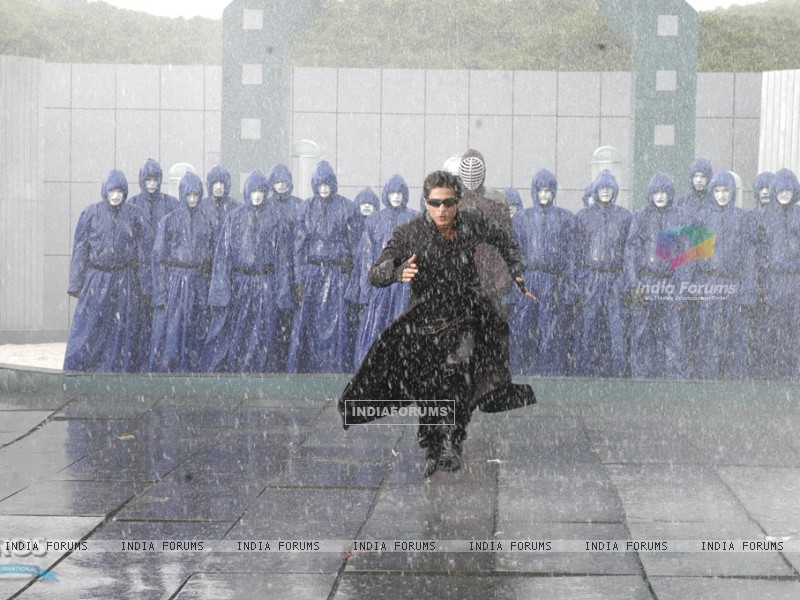
Fig.5 Some of their favorites are The Matrix. And Star Wars. Can you tell?

Everything is a loving homage to what they see in the Hollywood craft, and they most definitely inject their spicy, colorful flavor to the mix, resulting in a hyper-real experience. Bollywood films more often than not deliver a more heightened sensual and emotional experience than Hollywood does. What we call “too much melodrama” in their performances is really just a more stage-inspired “pre-Method” (almost DelSartean) style of acting in which all emotions are exaggerated for greater emotional impact. And boy, does it work.

The highly successful and popular Dhoom franchise is basically Bad Boys plus sexy music videos. Mere Yaar Ki Shaadi Hai is literally My Best Friend’s Wedding, plus sexy music videos. Moulin Rouge, with its high drama, zany comedy, romance and costumes interspersed with pop music and beautiful settings is actually the closest thing to Bollywood any average American has seen. Sorry, but Bend It Like Beckham doesn’t cut it. Slumdog Millionaire is not your standard “masala” movie. The “Jai Ho” item song in Slumdog is the only thing remotely Bollywood in the entire thing. If Bride & Prejudice weren’t in English… then we’d be cookin’.

http://images.sharingcentre.info/Ryoir/Movies/Comedy/dhoom.jpg
Fig.6 I'm crossing my fingers for Dhoom 3

Although more recently, some Bollywood filmmakers (Mani Ratnam in particular, who seems to have a crush on the delicious Abhishek Bachchan) have been experimenting with more realism and grit in their films (Yuva, Rang De Basanti, Sarkar, Guru, Kaminey etc.), the escapist cinema still dominates the industry (Main Hoon Na, Dhoom 2, and the ultimate escapist spectacular Om Shanti Om).

The second thing you learn from Bollywood movies is that religion is everywhere. And it isn’t sublimated into non-denominational themes and motifs, but presented on a golden platter, as simple to pick up as ladoos and samosas. Hearing the many terms for God being dropped all over the place in every genre of film—not just the spiritual ones—was a new experience.

https://blogger.googleusercontent.com/img/b/R29vZ2xl/AVvXsEgyXTCsqeX1lL1k7X3UaNIAyM2WcIw0Jgf5O3DYOLf_fYfzODFCahgMTHPVczBrZtkdqo437mFYtYz5YfwG51xd6CREpSkV5QoLQQimQLB_Ee8WZrX6Jdw795uBcGnf0BQvI53oS-wnSeMa/s400/Yuva07.jpg
Fig.7 Grit and music actually pair well together

to be continued...

Sunday, April 18, 2010

Get your puja on

Apu: I have come to make amends, sir. At first, I blamed you for squealing, but then I realized, it was I who wronged you. So I have come to work off my debt. I am at your service.
Homer: You're...selling what now?
Apu: I am selling only the concept of karmic realignment.
Homer: You can't sell that! Karma can only be portioned out by the cosmos. (slams the door)
Apu: He's got me there.

--The Simpsons


CIMG1029.jpg picture by monsterunderkilt
Fig.1 My favorite Hindu

Like many Americans my age, the first Hindu I met was Apu Nahasapeemapetilon. As a kid with no previous concept of racial stereotypes or the offensive nature associated with them, I embraced Apu with pure love, if only for his humorous accent and the friendly way he always said “Thank you, come again!” no matter how terrible a customer was.

In a roundabout way, Apu represents the most patriotic of institutions: the American Dream. He graduated first in his class of seven million from CalTech (Calcutta Technical Institute) and came to America to get his doctorate in computer science. He started working at the Kwik-E-Mart to pay off his student loans, but remains in Springfield to this day. He married Manjula, fathered eight kids and keeps a garden on the store’s rooftop accessed through the secret door disguised as a freezer case containing non-alcoholic beer.

Possessed of a tireless work ethic, a sharp intellect and a deep devotion to Ganesha, Shiva and Vishnu, Apu is, despite over-generalized appearances, a very positive Hindu figure in American culture. His perpetually open convenience store has helped the Simpson family through many hard times, and if the appearance of real-life Kwik-E-Marts across the country in the summer of 2007 is any indication, Apu’s humble business is a quintessential symbol of American life. For me, walking into a Kwik-E-Mart in Burbank and drinking a Squishee for the first time was nothing less than transcendental.

Alongside Apu, Indiana Jones had a big hand in my youthful perception of Hindus. I was only sixteen months old when Indiana Jones and the Temple Of Doom was released, but the pop cultural engine created by Spielberg/Lucas and company was running at full steam by the time I could put two words together. I grew up with my parents’ large VHS collection and knew all the references to Harrison Ford characters that the Muppet Babies blatantly showcased in nearly every episode.

http://www.thefilmjournal.com/images/temple.jpg
Fig.2 Not standard operating procedure for Hindus

When I was still too young to be at home by myself after school, I spent a lot of time at my grandmother’s house. My sister and I made forts out of sheets and spent all our free time carrying out our shameless obsessions by watching the same movies and TV shows on a loop. Of course, one of the looped VHS tapes on my granny’s TV was Temple Of Doom. By the time DVDs appeared, that tape in particular was run through the VCR so many times that the CRT had a permanent image of Harrison Ford’s face magnetized on the glass. I would put on the movie, set up pillows on the carpet in a big rectangle, wear my favorite old ratty silk nightgown, lay down in it like a frozen snow angel and when Willie Scott was being latched into Mola Ram’s sacrifice cage, I’d pretend I was being lowered into the volcano and plead for Indiana to save me.

For years, I believed in Shankara stones and faraway Indian jungles filled with giant vampire bats and the beauty of Pankot Palace. Most of all, I marveled at the bright and sparkly costumes worn by Willie and the palace dancers. The Hindus had it going on, as far as I was concerned. Like many westerners, I was allured by the mysterious glamour of Indian culture, swept away by its music, dance, and polychromatic artistry. It was centered so far away on the planet as to feel fantastic and surreal, and kids are such suckers for everything so different from what they’re used to.

http://entertainment.blogs.foxnews.com/files/2009/09/indiana1.jpg
Fig.3 You can rescue me anyday

As adults, we get annoyed that kids display such a degree of endless passion for new things, but deep down, we envy them their unquestioning devotion. Before life became colored by injustices and complexities, devotion was easier and more fun. We shake our heads at adults who can recapture that brand of loyalty, and I can’t help but believe that children remember something we forgot.

After I freed myself of the bedsheet-and-table-fort-building years, my next Hindu influence appeared on a real-life plane of existence. My circle of middle school friends included Sneha, a tall, slender, and very brainy girl who didn’t eat beef. She was clever and funny and shared my love for The X-Files and of course, a huge crush on Fox Mulder. We went to the same high school and kept in touch for the first few years of college.

One day, while riding our bikes to a local book store to buy some class texts, she mentioned that that narrow street north of University smelled like Bombay. Garbage, restaurant fryer exhaust, and urine. I will forever remember that going to Goerings is not unlike a trip to an Indian metropolis.

One year, she invited my friend Alan and me to an Indian cultural function at UF’s O’Connell Center. We met up at her apartment and marveled as she dressed up in a sari and told us what to expect. We arrived amongst a slew of similarly attired Indian immigrants and their American-born families. In retrospect, I suspect it was a Diwali festival, and they celebrated with a colorful variety of food and shopping stalls selling jewelry, clothes, trinkets and what I would later discover to be my favorite Indian export: Bollywood DVDs. As we perused a DVD booth, Sneha happily pointed out actors she recognized and how sexy they were, constantly reminding me of how essential to life it was that I watch some Hindi movies. I was lost in a sea of unfamiliar and beautiful faces and was eager to take her advice.

http://b7st.com/thimages/Dhoom%202.jpg
Fig.4 Y'all can rescue me too, please

There was lots of dancing on the basketball court, so Sneha eventually went down there to join a large group of other smiling faces for a traditional dance using sticks and catchy drum music. I bought some child-sized bangles (the only ones that stayed on my wrist!) and took in the festivities with great interest. It was a nifty peek into a world I would later dive into with much enthusiasm.

Sneha and I lost touch as the months went by and classes got more involved. As is customary for my generation, I caught up with her again on Facebook. She lives out of state now, so our interaction remains a digital one, but her influence on my current interests has turned out to be monumental. I don’t know that I’d have been so open-minded about studying Hinduism and Indian culture had it not been for her presence in my youth.


To be continued...

Saturday, March 6, 2010

Everyday Hinduism, or How to order bindis from India

"In memories of her beloved, life is restless with longing.
He's in the bindi on my forehead.
He's in the sleepiness of my lashes."
-from the song "Dola Re Dola," Devdas


http://product-image.tradeindia.com/00223742/b/0/Bindis.jpg
Fig.1 Oooooh shiny

'Twas a hot summer day in 2006 when my best friend Connie and I went to Islands of Adventure in Orlando. As is typical whenever we go to theme parks together, we were feeling adventurous and decided to work up the courage to hit the rollercoasters. Having grown up in central Florida, we had our share of hours on various thrill rides at Busch Gardens, Sea World, Disney, EPCOT, Animal Kingdom, and Universal Studios, but had never really taken advantage of the superior rides at IOA. Once we survived (and loved!) the Dueling Dragons, we were gung-ho for The Hulk and actually returned to the Dragons for a second time.

Somewhere in there, though, we stopped in at one of the Lost Civilization Island’s fantasy bazaar (now refurbished into Harry Potter World, or whatever), where all the shops are made up to look like they were lifted straight from Aladdin. Of course, I found the tent hawking the overpriced bellydancing supplies and fawned over the jingly belts and earrings and costumes I would never buy outside of a Renaissance Faire (much better deals). But I did pick up a small packet of multicolored bindis and promptly shared them with Connie. I wore a pink one and she wore blue, to coordinate with our t-shirt colors. We felt extra pretty walking around all day with our foreheads so adorned, but little did I know this one impulse purchase would lead to a new personal fashion habit that continues to this day.

_DSC0087.jpg picture by monsterunderkilt
Fig.2 Bollywood Babe Wannabe sighting in Key West

A few weeks later, I brought the same set of bindis with me on a week-long family trip to Key West. Key West, being Key West, is the provenance of all things kitsch and casual in my beloved state of Florida. Art shops, pirate jewelry sellers, pizza parlours, creperies, Margaritaville, Sloppy Joe’s, the Hog’s Breath Saloon—all bathed in the colors of the setting sun and neon signs. Almost everything we ate was seafood or was impregnated with key lime the same way everything on Dune is impregnated with Spice. It’s warm and inviting, but small and colorful and comforting, and you get the feeling that after dark, anything goes on Duval Street. There are kitschy restaurant bars every 50 feet, trinket shops in between, and streetside kiosks offering henna tattoos. It was just the kind of place I could wear my bindis, buy a sari (which I did), and walk around wearing both without feeling out of place.

When I got home, the bindis stuck, but I soon realized that they have an expiration date. The glue doesn’t hold out for long, and they get cruddy after a few weeks of constant use.

http://upload.wikimedia.org/wikipedia/commons/3/38/Indian_Woman_with_bindi.jpg
Fig.3 That's a SERIOUS Bindi

"Bindi" means “dot” in Sanskrit. Originally, they signified age, marriage, and/or religious affiliation, depending on who was wearing one (yes, even men wear the mark of sindoor on holy occasions). Traditional ones were simply crimson or yellow vermillion powder applied to the forehead during temple ceremonies or everyday home shrine puja offerings. The placement is meant to represent the ajna chakra, known as the center of insight and wisdom. The color red also represents the femenine power of the goddesses Sati and Parvati, and women who wear this tilak ("mark") will receive their blessings.

After years of watching Hindi movies (I promise a post on that soon!), I had seen every shape and size of bindi worn by hot Bollywood actresses, and it was just a matter of time before I decided that I wanted a piece of that action. Sometimes they wore them, sometimes they didn’t, and sometimes they wore big gaudy ones for special occasions.

http://www.parigones.net/IMG/jpg/cinema_devdas_p1.jpg
Fig.4 Aishvarya Rai pimpin' her bindi in the movie Devdas

South Asian women in modern times treat the bindi as any other piece of jewelry or fashion accessory, no matter what their social status or association. As a result, they now come in an eye-popping array of styles, as I soon discovered when I went online to search for an internet site that sold them. Bindis come in every color to match your outfit and every size and shape to suit your occasion. They come plain or encrusted with crystals, pearls, and metallic accents.

The first site I ordered from sent me a small slightly battered package a few weeks later. It was a box wrapped in white cloth, sewed up with thread, my address was written in blue marker on the top, and it was slapped with a customs declaration certificate from Vastrapur Ahmedabad, India. It certainly looked like it had come from halfway around the world. Pretty wild, right?

DSCN0727.jpg picture by monsterunderkilt
Fig.5 We're not in Delhi anymore, Toto

I have since tried other sites as well, and one, Visionsofindia.com, hails from California, so my packages come much more quickly. Now, I’ll purchase between eight and ten new little packets of bindis every three months or so, so I get to try new styles all the time. I wear them everyday, every time I go out. It’s as obligatory as earrings or a necklace and I feel naked if I forget to put one on. The websites sell skin-safe bindi glue, but I’ve found that eyelash glue works very well, too. I have quite a collection, and I use the old ones to fancify picture frames or bedazzle some other craft I may be creating.
I’ve been lucky that my employer has no objection to my little quirk. Sometimes I think that they think it’s a strictly religious thing, and what with all the Islamic hijab-related school uniform debates in the news, they don’t want to be sued for discrimination. They don’t care about my tiny gold nose stud either, which is even more innocuous than the bindis, but complements my overall recherché Indian fashion so well that neither register as especially unusual.

Early on, my good friends got used to it immediately, calling it “such a Caity thing.” Given that they’ve witnessed my long history of hair and jewelry-related personal fashion kicks through the years, bindi-wearing was an organic development.

ICN_0090.jpg picture by monsterunderkilt
Fig.6 Another trademark "Caity Thing"

The most frequent inquiry from co-workers or random people standing in line at the cash register is about whether or not it’s a piercing, and I have to explain that it’s really just a snazzy sticker. I also get asked whether it “means something,” and I say that for me, it’s just something pretty, and what girl doesn’t like a little something extra sparkly to wear? I also clarify the ancient versus modern interpretation of its significance, and I feel happy that I’ve injected a bit of world culture into someone’s day.

When I’m out in places full of people who don’t work with me everyday and are incidentally immune to the oddity of bindis, I get glances and outright stares, especially from little kids who point tug at their mother’s shirt and poke at their own foreheads to communicate their absolute amazement at my facial adornment. I’ve even gotten a few bright elementary school children who correctly identify it as an “Indian” thing. They love it, and I wouldn’t be surprised to see them start running around with Dora The Explorer stick-on earrings worn on their ajna chakras.

At the end of the day, I remind myself that the Buddha wore bindis, and protecting the wisdom chakra with a bindi never hurts. The last thing I do after getting ready for the day is choose a bindi to wear, and in that way, what began as a fashion statement has evolved into religious ritual for me. The bindi does mean something to me. It’s a constant expression of my faith in beauty, wisdom, and individuality. With that definition behind the bindi, I don’t foresee my ever growing tired of it.

Fig.7 A girl has so many choices...

Saturday, December 19, 2009

Orthodox Jew Reggae stars and Islamic Rap artists and everything in between

"My heart, which is so full to overflowing, has often been solaced and refreshed by music when sick and weary."
--Martin Luther

Fig. 1 I Always thought clothes were overkill

I loved Ridley Scott’s Kingdom of Heaven from my first viewing at the theatre, and it wasn’t because Orlando Bloom gets shirtless in it (that’s just one reason). With institutions like Liam Neeson and Jeremy Irons involved, as well as an uncredited Edward Norton performance and Ridley’s signature mise-en-scene, it’s a masterfully illustrated story about the folly of pride and the human necessity to embrace all nations as one human family.

Perfectly underpinning this multicultural theme is Harry Gregson-Williams’ rich tapestry of a musical score. It seamlessly weaves Celtic, Mediterranean, and Persian influences into a set piece that is earthly for its mix of instruments, yet otherworldly because it makes the many cultures responsible for the different styles feel as if they were never separated by land or sea. A favorite thread in this score is the angelic echoing vocals of ancient choral hymns. I noticed the simplicity set me at ease whenever I was studying or reading, and I wanted more.

A search for Gregorian chants on iTunes yielded my now favorite group Sequentia, an ensemble dedicated to resurrecting the canticles of medieval Europe. Both male and female voices in predominantly acapella performances transport me to a musical plateau of serenity. Whenever I listen, I can practically smell the incense and feel the warmth of the sun filtering through the stained glass in colored shafts of light. As a bonus treat, Sequentia likes to toss in a few instrumental pieces that showcase the sounds of traditional strings and woodwinds.

There’s something universal and profound surrounding them. Perhaps it’s the sheer grace of God, or just the incomprehensible Latin, but I prefer to think it’s the purity of devotion that imbues them with comprehensive appeal. They were performed to praise a higher existence, not to deride or condemn, but inform listeners of the deeds and love of God.

In Mary Doria Russell’s exquisite novel The Sparrow, a young man working in Arecibo for the SETI program discovers a signal sent through space and time from a star system a few short light years away. He realizes that it’s a song, which indicates intelligent life. Scientists, humanists, and a Jesuit priest are all brought together by that ethereal music, and all of them travel to this new world on the Jesuit organization’s dime. For the Jesuits, as an influential and financially capable organization in the story, the mission is about finding rare resources that can be brought back to fund their missions on earth. For each of the characters, the journey becomes a spiritual test as they attempt to discover the source of the songs on a strange new planet.

Reading the book, I was surprised how moved I was by the description of the SETI discovery and it had me thinking for days about how I’d react to such a significant event. Hearing a song from an alien world filtering down through the stars and vast chasm of space would be a singular spiritual moment for all humankind.

Earth itself has a diversity of music that might overwhelm an off-worlder first hearing it. Even if they only listened to the religious tracks, they’d be surprised at the variety. I certainly was.

Podcasts, movies and documentaries may not be alien sources, but they provided plenty of absorbing listening from perspectives I never knew existed. Here’s a spiritual playlist of some of my favorites:


http://isoas.files.wordpress.com/2008/09/carrie-1.jpg
“There Is A Tree” by Carrie Newcomer
I heard an interview with this Quaker folk singer/songwriter on Interfaith Voices a while back, and was particularly impressed by the mystic quality of this song and her rich, earthy voice. It invokes a sense of the profound in everyday life, as does Carrie’s entire album “Geography of Light.” My other favorite song of hers, “Where You Been,” makes direct reference to many faiths, revealing the universality and playfulness of spirit.

http://www.inkpot.com/classical/people/sequentia2.jpg
“O Quam Mirabilis Est (Antiphona)” by Sequentia

The simplest, most angelic of Sequentia’s tracks. I have no clue what she’s saying, but it doesn’t beg translation. I feel the love, the dedication, the devotion, the joy. It’s beautiful in its musicality, heartbreaking in its purity.

http://zoharmusic.com/drupal/sites/default/files/erran_head.jpg
“Hannukah on Hannukah” by Erran Baron Cohen
I read an article on Tabletmag.org (formerly Nextbook.org) on a newly released album in December 2008 that was created to “change Hanukkah’s reputation.” It’s called “Songs in the Key of Hannukah” and upon hearing it once through, I decided I could listen to it all year long. It’s composed by internationally acclaimed DJ Erran Baron Cohen, who cranks up the irony of his brother’s anti-Semitic characters by injecting a proud and somewhat fundamentalist Jewish flavor to this holiday album. Lighting the shamash and eating sufganiyot has never been so hip.

https://blogger.googleusercontent.com/img/b/R29vZ2xl/AVvXsEjzik_JUEnu3Mwul-Ye5GrlgNFqM5M2QlaS2nVtnDNiKWA45kRB_HXgjhvsOJMxSdmXbN1xwWxy5s3HpASM0ByAcmcdrZow5j2jsEJ4_o5vwL3Zk3YhY5Vka3ibbLp-YEI34H14rcpc5DM/s400/300px-Bibi_snatam_kaur_may06_104.jpg
“Mul Mantra” by Snatam Kaur

Whenever I hear this song, I’m reminded of the long trip between New Orleans and Killeen, Texas with my sister and her husband. I stared out at the endless Texan grazing land and listened to the Sikhwithin podcast, where I first heard Snatam Kaur’s soothing voice. Turns out she’s something of a rockstar in Sikh circles, a California-born woman who performs kirtan devotional music on peace-promoting world tours. The Mul Mantra is the essence of the Guru Granth Sahib, the official Sikh text, and within its few words, contains dense layers of spiritual concepts. Snatam is such a gifted singer that simply hearing her version of the chant without any previous knowledge of Sikh theology, one can sense the depth and emotion and history suffusing it.

http://www.amdoc.org/pressmaterials/newmuslimcool/images/02_newmuslimcool.jpg
“Welcome Home” by Hamza Peréz
Featured in the excellent PBS POV documentary New Muslim Cool, this inspirational rap serves as a primer for leading a righteous life after leaving jail. Informed by Hamza’s own story as a Puerto Rican ex-drug-dealer in the streets of Pittsburg who converted to Islam, this song cuts through to the core of spiritual conversion: to change your life for the better, forever. The film demonstrates the injustices visited upon Hamza’s mosque community as well as the strength of brotherhood and sisterhood they have to endure life’s hardships, and how Islam always guides them toward kindness and standing up for themselves.

http://run4change.files.wordpress.com/2009/08/matisyahu.jpg
“I Will Be Light” by Matisyahu

Matthew Paul Miller, known by his Hebrew name Matisyahu, was influenced through a youth equally defined by Bob Marley and yeshiva, and his music seamlessly sews together reggae-flavored instrumentals and vocals with Hasidic Jewish theological themes. Another Interfaith Voices discovery, this song, with its “dreadlocks to sidelocks” backstory, struck me as a powerful testament to the dynamism of religion and how beautifully it can evolve and inspire each new generation.

http://userserve-ak.last.fm/serve/500/407400/The+Doobie+Brothers.jpg
“Jesus Is Just Alright With Me” by The Doobie Brothers

I just really love this song. It’s very catchy. Its spiritual message doesn’t detract from its pop cred at all. Anyone can listen to it, whether you’re Christian or not, because it’s stripped of dogma. It’s a simple story of finding Jesus as a friend, and no matter that I’m a Buddhist, I can still agree that Jesus is just alright.

https://blogger.googleusercontent.com/img/b/R29vZ2xl/AVvXsEhwsEAeVVhb8qdfuyBp5BR77HvCtB-CrJ7t1nsUZPcaNndg4BT-SYvfOik7y94e9ZPjYf9_i3_82zLSvhLHLM8I19nbvo7DwM84UqmLid2oLb1Nz_FixrNB99T2Hqq9mpvyC6uP04YGcjHU/s400/ar_rahman.jpg
“Pal Pal Hai Bhaarii” by A.R. Rahman

This one is on the soundtack of the excellent hindi film Swades, and it’s from the scene featuring the Ramlila, the traditional play about Lord Ram’s life and adventures. The lyrics are based on the classical storytelling style and as usual, A.R. Rahman’s underlying score defines itself as anything but simple accompaniment. Find the translation of the story on Bollywhat.com and you’ll enjoy the full impact of the lyrics, both dramatic and mystical.

http://www.globalvillageidiot.net/images/2773.jpg
“Sacred Stones” by Sheila Chandra

Oddly enough, I first heard this song on an episode of Queer As Folk, and it was played during a slow-motion sequence meant to give some pause to the usual fast-paced beats that pump through the heart of Babylon, the characters’ nightclub of choice. I noted its singularity among other songs featured in the show and discovered the meditative quality it had. It’s just the kind of song you’d hear playing in the background at a yoga class, but it constitutes more than your standard ambient vaguely South Asian-flavoured white noise. It combines a handful of religious chants in one song to exemplify the tonal, and, incidentally, the spiritual similarities among them. Listen closely.


“Muestro Senyor Elohenu” by Yasmin Levy
Listening to Vox Tablet one day at work, I heard the story of a woman whose father painstakingly preserved thousands of traditional Sephardic songs sung in Ladino—a Hebrew-Spanish language, an Iberian version of Yiddish. Having a Puerto Rican background myself, and a pretty sharp ear for music, I was struck by the instant visceral reaction I had to her voice. In her interview, she described how her feet stood in three worlds—Israel, Arabia, & Spain—and her multicultural influence was so evident in her songs, the unification of which brought me to tears. It still does, every time. Her music, especially this song, is a manifesto for the brotherhood of human life.

http://www.berklee.edu/images/news/124/howard_shore.png
Twilight and Shadow” by Howard Shore
The Lord of the Rings
trilogy is no doubt three of the most spiritual and soul-searching films of any generation, and the music reflects themes as diverse as the races of Middle Earth. I find this track one of the most essential because it distills the complex bittersweet tone of the entire story into a sad but hopeful hymn that you could drop into a list of songs by Sequentia and not know the difference.